Looking for a suburb that feels different the moment you enter it? Riverside does exactly that. If you are drawn to historic homes, mature trees, and a setting that feels more organic than a typical grid suburb, this village offers a distinct kind of western-suburban living. In this guide, you’ll get a clear picture of what makes Riverside stand out, what the housing market looks like, and what daily life can feel like here. Let’s dive in.
Why Riverside Feels So Unique
Riverside is not just another Chicago-area suburb. It is a 1.9-square-mile village in western Cook County with a nationally recognized planning history that still shapes how the community looks and functions today.
The village says Riverside was laid out in 1869 by Frederick Law Olmsted and Calvert Vaux as one of the first suburban planned developments in America. It was later designated a National Historic Landmark in 1970. That legacy is not hidden in a museum case. You can see it in the streets, parks, and overall layout of the village.
Curved Streets Define the Village
One of the first things you notice in Riverside is that the streets do not follow the standard straight-line grid you see in many suburbs. According to village planning materials, the roadway and park system were designed to mimic the Des Plaines River.
That design choice creates a softer, more scenic feel as you move through town. The village’s master landscape plan also notes that Riverside’s curving streets create triangular green spaces rather than conventional blocks. Those details give the village a layout that feels intentional, memorable, and closely tied to the landscape.
Open Space Is Part of Everyday Life
Riverside was arranged so that open space and parkland would be part of urban living. That idea still holds up today. The village says almost 40% of Riverside land is public, which is a remarkable share for a built residential community.
That public land includes 46 street triangles along with parks and commons such as Blythe Park, Swan Pond, Indian Garden, Longcommon Common, Patriots Park, and Scottswood Common. Instead of feeling packed in, many parts of Riverside feel open and green, with public space woven into everyday life.
The Des Plaines River Shapes the Setting
The Des Plaines River is central to Riverside’s identity. The village’s master landscape plan describes it as the primary landscape feature, and that influence can be felt across the community.
For many buyers, this matters because it gives Riverside a stronger sense of place. You are not just choosing a house here. You are choosing a village where water, trees, and public landscape design are part of the daily experience.
Swan Pond and Tree-Lined Views
If you want a simple example of Riverside’s visual appeal, look at Swan Pond. The village says this area, near the library and Metra station, offers one of Riverside’s most dramatic views.
Riverside also earned certification as an arboretum in 2015. That adds another layer to the village’s identity and supports what many visitors notice right away: mature trees are a defining part of the local environment.
Riverside Homes Offer More Variety Than You Might Expect
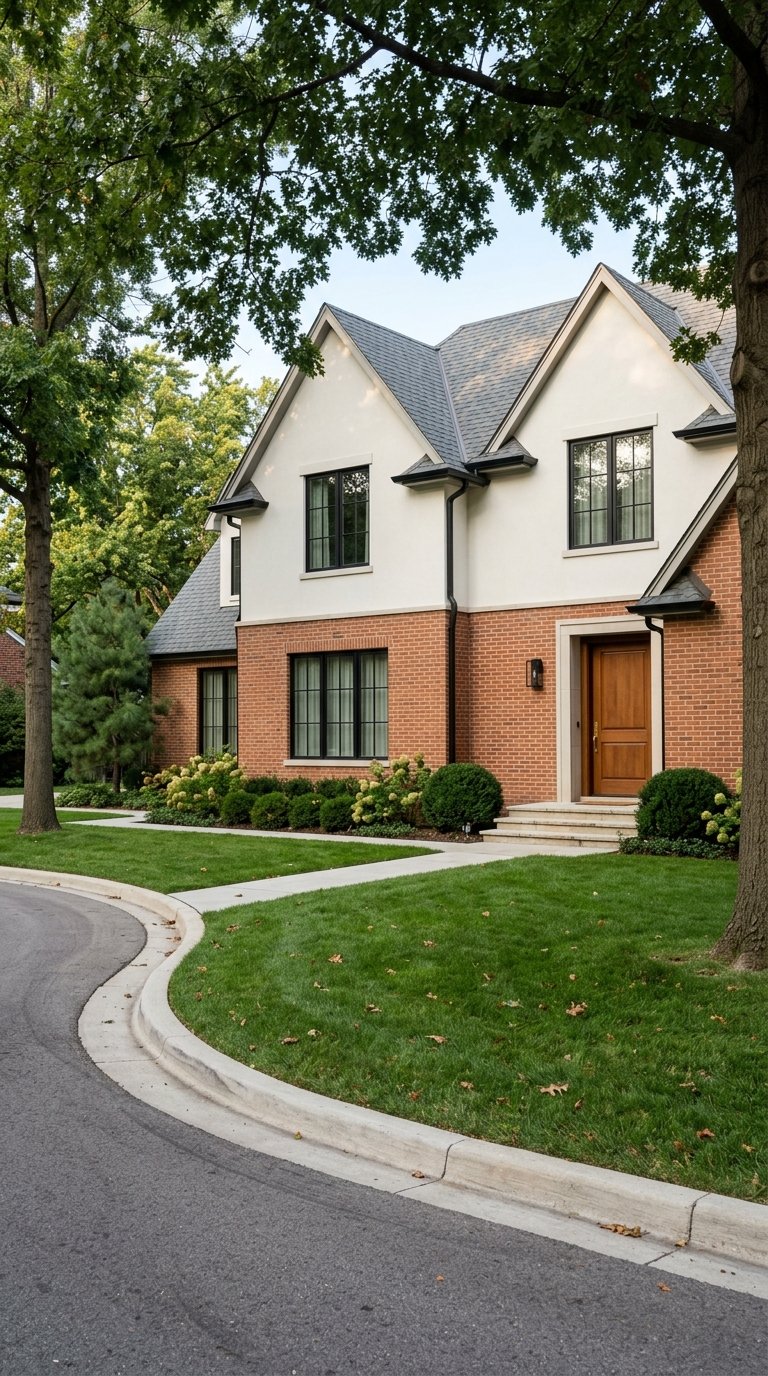
For a small village, Riverside has an unusually varied housing stock. Historical materials from the village describe homes ranging from small ranches to grand Queen Anne homes and farmhouses.
That range can be appealing if you want options beyond one dominant home style. Whether you are looking for a smaller entry point, a character-filled historic property, or a larger single-family home with architectural presence, Riverside offers a broader mix than many buyers expect.
Historic Architecture Adds Character
Riverside is especially well known for architecture. The village identifies notable contributors including Frank Lloyd Wright, Louis Sullivan, William Le Baron Jenney, Joseph L. Silsbee, R. Harold Zook, and William Drummond.
Landmark examples named by the village include the Avery Coonley House, F.F. Tomek House, Coonley Playhouse, Heilbron Residence, Palmer Residence, Thorncroft Residence, and the Riverside Water Tower. Even if you are not shopping for a landmark property, that architectural legacy helps shape the feel of the housing stock throughout the village.
What Home Prices Look Like in Riverside
If you are researching Riverside, you will likely see different price figures depending on the source. That is normal because each platform tracks the market in a different way.
As of March 31, 2026, Zillow reported an average home value of $547,998. For March 2026, Realtor.com reported a median listing price of $629,000 and median days on market of 27, while Redfin reported a median sale price of $705,000. These numbers are best viewed as complementary snapshots rather than one exact price point.
Current Inventory Spans a Wide Range
Riverside can also surprise buyers with its range of price points. As of May 10, 2026, Redfin showed 10 homes for sale in Riverside, with active listings ranging from a condo at $229,900 to a single-family home at $1.65 million.
That same sample included several condos in the middle of the range at $555,000, $799,000, and $839,000. In practical terms, Riverside is not a one-price market. Your options can vary significantly depending on property type, size, condition, and location within the village.
What the Market Means for Buyers
Realtor.com characterized Riverside as a seller’s market in March 2026. It also reported that homes were selling at about list price on average.
For buyers, that suggests you should be prepared and realistic when the right property comes up. In a village with limited inventory and highly specific housing styles, clarity on budget, must-haves, and condition tolerance can make your search more efficient.
What the Market Means for Sellers
For sellers, Riverside’s combination of architectural character, limited inventory, and established identity can create real advantages. Buyers are often not just comparing square footage here. They are also responding to setting, design, and the overall feel of the village.
That said, strategy still matters. Accurate pricing, thoughtful preparation, and clear presentation are especially important in a market where homes can differ widely from one another.
Commuting From Riverside
Riverside offers a strong metro connection while maintaining a distinct village feel. The Chicago Loop is about 10 miles away, and the village notes that it is easily accessible via Metra’s BNSF commuter rail line.
Metra identifies Riverside as a stop on that line, which is a practical benefit for buyers who want access to downtown Chicago without giving up a quieter residential setting. That balance is one reason Riverside continues to appeal to buyers looking across the western suburbs.
Nearby Destinations Add Convenience
Riverside’s location also places you close to well-known regional destinations. The village says Brookfield Zoo is 1.2 miles away, and the Chicago Portage National Historic Site is 2.4 miles away.
Those nearby attractions add to the area’s appeal and reinforce Riverside’s connection to both local history and broader Chicagoland amenities. For many buyers, convenience is not only about commuting. It is also about having recognizable destinations nearby for everyday outings and weekends.
Is Riverside the Right Fit for You?
Riverside tends to appeal to buyers who want more than a standard suburban layout. If you value historic character, varied architecture, mature landscaping, and a village plan that feels intentional, Riverside offers a setting that is hard to replicate.
It can also be a strong option if you want a western-suburbs location with access to Chicago, a range of housing types, and a market identity that remains distinct. Because homes here can vary so much, it helps to evaluate each opportunity with a clear eye on condition, pricing, layout, and long-term fit.
If you are thinking about buying or selling in Riverside, working with an agent who understands how presentation, pricing, and neighborhood-specific differences affect outcomes can make the process much smoother. When you are ready to talk through your options, connect with Jeremy Vitell to schedule a consultation.
FAQs
What makes Riverside, Illinois different from other western suburbs?
- Riverside stands out for its 1869 planned design by Frederick Law Olmsted and Calvert Vaux, its curved streets, extensive public green space, and strong historic architecture.
What kinds of homes can you find in Riverside, Illinois?
- Riverside includes a wide mix of housing, from small ranches and condos to farmhouses, Queen Anne homes, and architecturally significant historic properties.
What is the Riverside, Illinois housing market like in 2026?
- March 2026 market snapshots ranged from Zillow’s average home value of $547,998 to Realtor.com’s median listing price of $629,000 and Redfin’s median sale price of $705,000, with Realtor.com describing Riverside as a seller’s market.
Is Riverside, Illinois a good option for Chicago commuters?
- Riverside offers access to downtown Chicago through Metra’s BNSF line, and the village says the Chicago Loop is about 10 miles away.
Are there parks and outdoor spaces in Riverside, Illinois?
- Yes. The village says almost 40% of Riverside land is public and includes parks, commons, 46 street triangles, and river-centered landscape features such as Swan Pond and the Des Plaines River corridor.