Wondering how one village can offer everything from classic bungalows to large new construction homes? In Downers Grove, that mix is part of what makes the market so interesting, and sometimes so hard to sort through. If you are buying or selling here, it helps to understand how home style connects to layout, upkeep, pricing, and day-to-day living. Let’s dive in.
Why Downers Grove Offers So Much Variety
Downers Grove has a broad housing mix, but it still leans heavily toward detached homes. CMAP estimates 21,268 housing units in the village, with about 69.4% in one-unit structures, while condos, apartments, and other attached housing make up a meaningful share as well.
A lot of the local housing stock is older. The median year built is 1974, with a large share of homes built between 1960 and 1979, plus additional inventory from earlier decades and a smaller but important group of homes built in 2000 or later.
That age range helps explain why you will see so many different layouts and architectural styles as you move through town. It also means that when you compare homes in Downers Grove, the real question is usually not just old versus new. It is how the home’s design, condition, updates, and maintenance history fit your goals.
What the Local Market Suggests
Recent public market snapshots place Downers Grove roughly in the high-$400,000s to low-$500,000s overall. Redfin reports a three-month median sale price of $519,732, Zillow reports a typical home value of $500,013 and a March 2026 median sale price of $468,750, and Realtor.com lists a median asking price of $475,000.
For you as a buyer or seller, that means labels alone do not drive value. A bungalow, ranch, two-story, condo, or newer infill home can all perform very differently depending on lot size, square footage, condition, updates, and location within the village.
Mid-Century Homes in Downers Grove
Ranches and split-levels
Mid-century homes are a major part of the Downers Grove housing story. The Village style guide places ranch homes in the 1930s to 1970s range and split-levels in the 1950s to 1970s range, which lines up with the village’s large postwar and late-20th-century housing supply.
If you like practical layouts, these homes often check that box. Ranches usually offer simpler one-level living, while split-level homes place the main living area on a middle floor with stairs leading up and down.
What buyers should watch
Many mid-century homes come with solid bones and appealing lot sizes, but they can also bring update needs. Original windows, older insulation, aging roofs, and older mechanical systems are common items to review closely.
For older homes in general, air sealing, weatherstripping, and energy-efficient windows can improve comfort and utility performance. The U.S. Department of Energy also notes that replacing older windows can save 7% to 15% or more on annual energy bills, and homes built before 1978 may contain lead paint, which matters if you plan to renovate.
How they tend to price
In Downers Grove, updated mid-century homes often compete in the middle of the market. Highly renovated examples can push higher, especially when the layout feels current and the larger-ticket systems have already been addressed.
Classic Two-Stories and Older Character Homes
Foursquares and traditional two-stories
If you want more vertical separation between living and sleeping areas, classic two-story homes may feel like a better fit. Downers Grove’s architectural materials describe the Foursquare as typically square or rectangular, usually two-and-a-half stories, with a hip roof, symmetrical dormers, and a full front porch.
Many local examples also include Prairie, Craftsman, or Colonial Revival details. In practical terms, this category often appeals to buyers who want more formal room separation, more upstairs bedroom space, and stronger original architectural character.
The upkeep side of charm
The tradeoff is maintenance. Older two-stories generally have more exterior surface area to maintain, and original porches, trim, rooflines, and windows may need regular care, especially if the goal is to preserve historic character.
The same renovation cautions apply here as with other older homes. Energy improvements can make a noticeable difference, and any pre-1978 property should be approached with lead-paint awareness during updates.
What sellers should understand
When lot size, condition, and location are similar, classic two-story homes often command more than smaller homes because they offer more usable space and presence. Still, buyers in Downers Grove tend to evaluate these homes through a practical lens, so thoughtful updates and well-maintained original features can both influence value.
Bungalows Still Matter Here
Bungalows remain part of the broader mix in Downers Grove, especially in areas with older housing patterns. They often attract buyers who want character, manageable size, and the opportunity to personalize over time.
For sellers, bungalows can be especially sensitive to presentation and pricing. Buyers usually look closely at how original charm balances with kitchen, bath, window, roof, and mechanical updates.
Townhomes and Condos Near Transit and Downtown
Why attached housing shows up here
Downers Grove is about 22 miles west of Chicago and has three train stations on the Burlington Northern line. Village planning materials also discuss condos, townhomes, apartments, duplexes, and single-family housing in downtown- and station-oriented areas, so attached housing is part of the local long-term planning framework.
In simple terms, if you are looking near the downtown core or station areas, you are more likely to encounter housing choices that trade larger private yards for convenience, shared spaces, and attached-wall living.
Ownership costs beyond the price
Townhomes and condos can offer a lower purchase price than many detached homes, but monthly ownership costs deserve careful review. HOA dues are usually separate from the mortgage, so the true monthly cost depends on what the association covers and how the budget is structured.
That is why buyers should look beyond the list price. The budget, reserve funding, dues structure, and assessment history can shape affordability just as much as the mortgage payment itself.
New Builds and Infill Homes
What newer homes usually offer
In Downers Grove, newer homes are often infill or redevelopment projects rather than part of a large new subdivision. Village discussions have noted tear-down and infill activity, and planning documents say infill should be sensitive to local context.
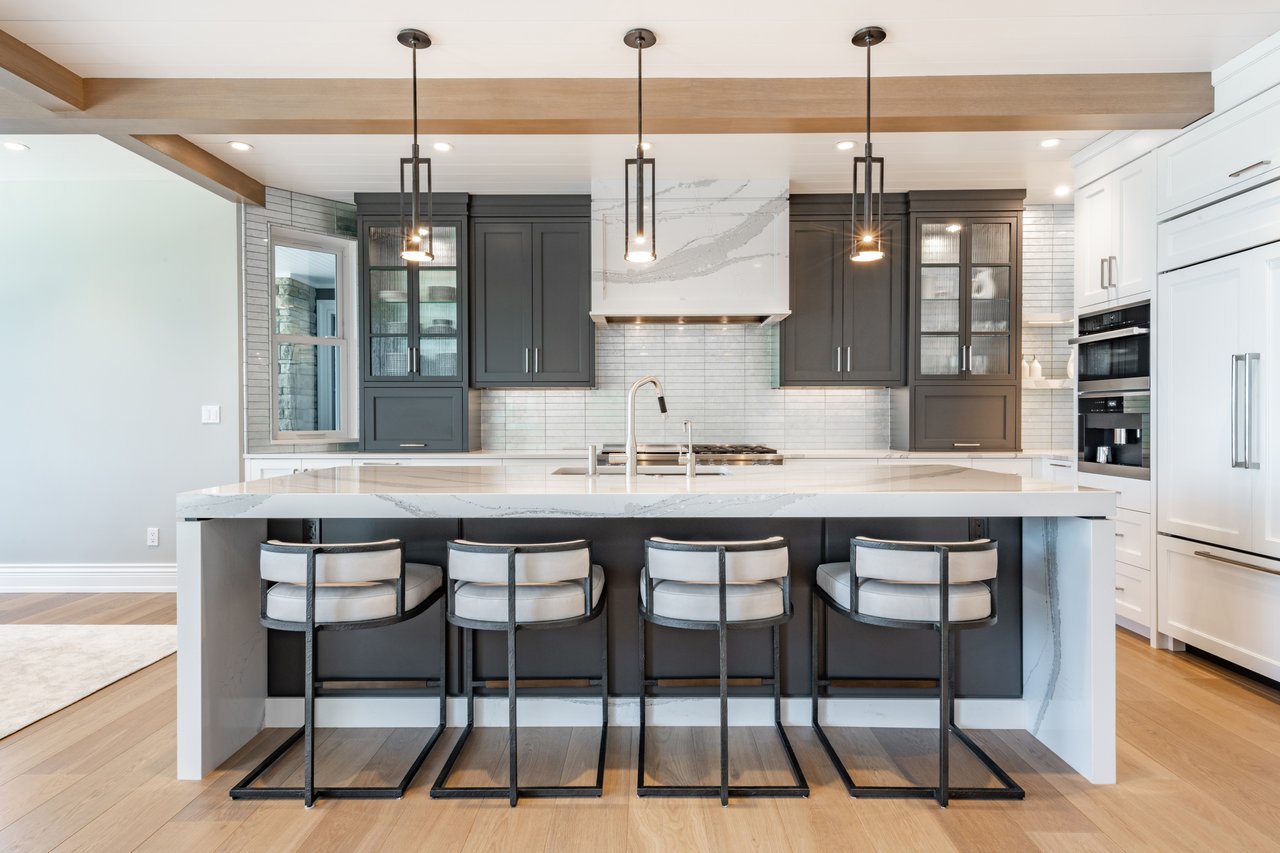
These homes often appeal to buyers who want open kitchens, larger primary suites, attached garages, and newer systems. Compared with many older homes, they may offer more square footage and a layout designed around modern living patterns.
Why premiums need to make sense
Newer custom homes usually sit at the top end of the local market because buyers are paying for newer construction, updated systems, and contemporary finishes. In a market where broad pricing already centers around the high-$400,000s to low-$500,000s, a newer home often needs to justify a clear premium through size, finish level, and functionality.
For sellers of newer homes, that means the marketing story should be specific. Buyers want to understand what truly sets the home apart from a renovated older property nearby.
Where Styles Tend to Cluster
Downers Grove housing styles often cluster by development era and planning district. The Village’s 2013 architectural survey mapped 865 properties across Denburn Woods, Shady Lane Estates, E.H. Prince Subdivision, and the Maple Avenue/Main Street corridor, showing clear groupings of home types.
For example, Denburn Woods includes Colonial Revival, French Eclectic, Minimal Traditional, and Mid-Century Modern Ranch homes. Shady Lane Estates is primarily associated with Mid-Century Modern Ranch and Late Modern Eclectic Split-Level homes, while E.H. Prince includes Queen Anne, Foursquares, Craftsman Bungalows, Minimal Traditional, Ranches, and Split-Levels.
Downtown and station areas are more likely to include attached housing and mixed-use residential forms because current planning materials call for higher-density, transit-oriented development around Main Street, Belmont, and Fairview stations.
Due Diligence That Really Matters
Historic review rules
If a home is landmarked or located in a historic district, exterior changes may require Village review. According to the Village, work such as front-facade window and door replacement, demolition, visible additions, attached garages, and roof changes that alter height or pitch may need review by the Historic Preservation Design and Review Board.
If you love an older home for its character, this is not necessarily a drawback. It simply means you should understand the review process before planning major exterior work.
Permits and code compliance
For newer construction and significant modifications, permits matter. The Village states that permits help ensure that new buildings and alterations meet local, state, and national construction standards, and current code references include the 2021 International Residential Code with Downers Grove amendments.
For buyers, that makes documentation important. If a home has been heavily renovated or expanded, it is smart to confirm that the work followed the proper local process.
Energy and renovation planning
Older homes can be wonderful to own, but they usually reward buyers who plan ahead. Practical improvements like air sealing, insulation updates, weatherstripping, and more efficient windows can affect comfort, utility costs, and long-term maintenance.
If the home was built before 1978, renovation planning should also account for the possibility of lead paint. Knowing that upfront can help you budget more accurately and avoid surprises later.
Choosing the Right Fit for You
The best home in Downers Grove is not always the newest one or the most charming one. It is the one that matches your budget, layout needs, maintenance comfort level, and timeline for updates.
If you want lower early maintenance, a newer infill home may feel worth the premium. If you value character, lot size, and the chance to build equity through improvements, a bungalow, ranch, or older two-story may be the better long-term fit.
For sellers, the same logic applies in reverse. The strongest strategy is to position your home based on what today’s buyers are actually comparing, not just what your home is called architecturally.
In a market with this much variety, good guidance matters. If you are weighing a bungalow against a split-level, comparing a condo near the station to a detached home, or deciding how to price and present your current property, working with a team that understands style, condition, and local buyer expectations can make the process much clearer. When you are ready to talk through your next move in Downers Grove, Jeremy Vitell is here to help.
FAQs
What types of homes are common in Downers Grove?
- Downers Grove is mostly made up of detached homes, with a large share of ranches, split-levels, bungalows, classic two-stories, and a smaller but important mix of condos, townhomes, apartments, and newer infill homes.
What should buyers know about older homes in Downers Grove?
- Buyers should pay close attention to windows, insulation, roofs, mechanical systems, energy efficiency upgrades, and possible lead paint in homes built before 1978.
Where are condos and townhomes more common in Downers Grove?
- Attached housing is more likely to be found near the downtown core and station-oriented areas, where Village planning supports transit-oriented residential development.
What should buyers review before buying a Downers Grove condo or townhome?
- You should review the HOA budget, reserve funding, dues, assessment history, and what maintenance responsibilities are covered by the association.
What should buyers know about historic homes in Downers Grove?
- If a home is landmarked or in a historic district, certain exterior changes may require Village review, especially visible additions, front-facade changes, roof changes, and some demolition work.
Are new construction homes common in Downers Grove?
- Newer homes exist in Downers Grove, but many are infill or redevelopment projects, not part of large new subdivisions, and they often command a premium for newer systems, larger layouts, and modern finishes.