La Grange is known for its elegant older architecture, distinctive neighborhood character, and preserved streetscapes that highlight more than a century of residential history. Many buyers are drawn to the area for its timeless appeal, but also want the features and conveniences associated with contemporary luxury living.
Renovating La Grange historic homes gives homeowners the ability to merge these two priorities, creating estates that honor the original craftsmanship while introducing elevated amenities, thoughtful design, and long-term value.
Understand the Architectural Foundation
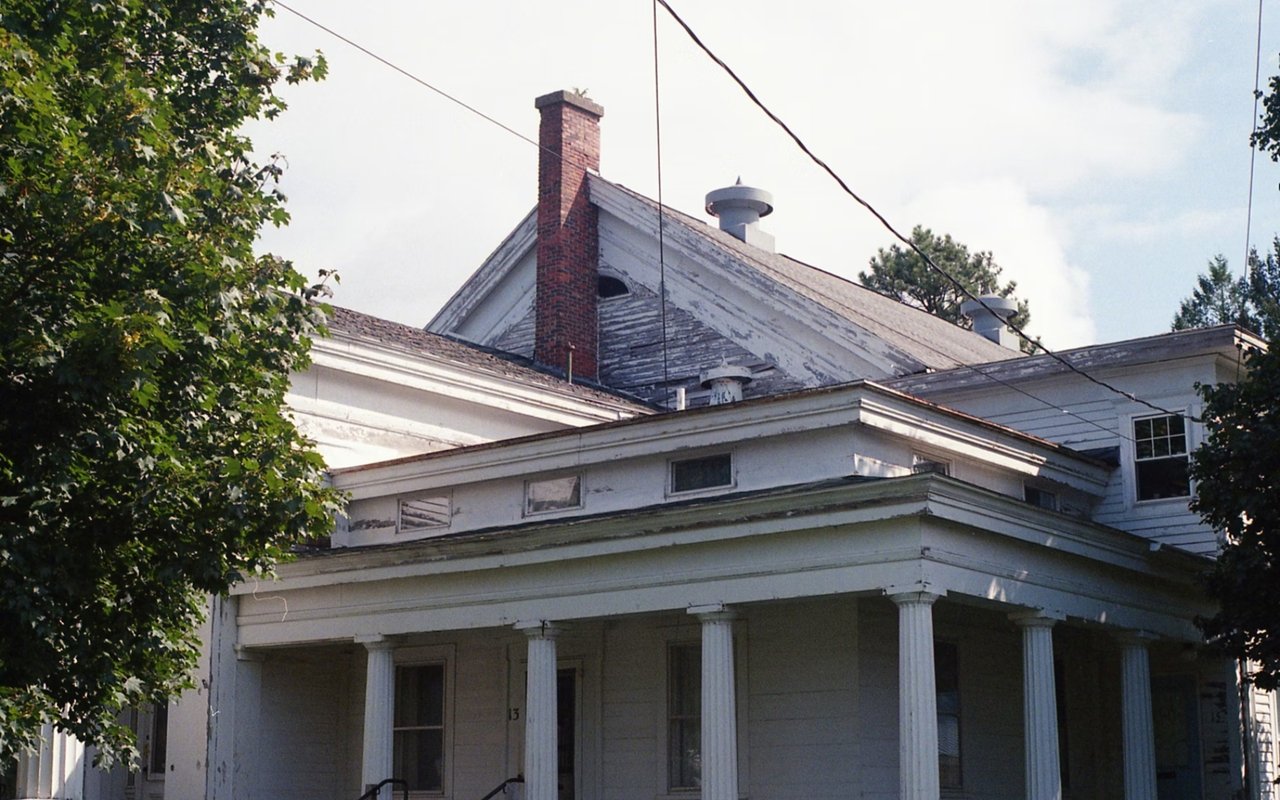
Every successful renovation begins with an in-depth assessment of the home’s architectural profile. Older La Grange properties often include Victorian, Colonial Revival, and early 20th-century American Foursquare designs, each with recognizable proportions and details. Before any modernization begins, owners and designers identify which elements define the home’s character (such as original staircases, moldings, fireplaces, or exterior symmetry).
Preserving these features ensures the renovation aligns with the home’s historical context. A remodeled interior might include new layouts, modern wiring, and upgraded mechanical systems, yet still incorporate trim profiles that match originals or restore windows to their classic divided-light appearance.
Preserving these features ensures the renovation aligns with the home’s historical context. A remodeled interior might include new layouts, modern wiring, and upgraded mechanical systems, yet still incorporate trim profiles that match originals or restore windows to their classic divided-light appearance.
Structural Strengthening and Core Upgrades
Historic properties endure for decades, but renovation often requires reinforcing what lies behind the walls. Structural work may include foundation evaluation, improved load-bearing systems, and updated roofing structures designed to support modern materials and loads. Many older homes benefit from expanded basements, deeper footings, or additional insulation that was never part of the initial construction.
Mechanical and electrical upgrades also play a central role. High-end estates require advanced climate control, upgraded plumbing capacity, and electrical systems capable of supporting smart home integration. These improvements maintain the external charm of La Grange historic homes while supporting a level of performance expected in contemporary luxury properties.
Mechanical and electrical upgrades also play a central role. High-end estates require advanced climate control, upgraded plumbing capacity, and electrical systems capable of supporting smart home integration. These improvements maintain the external charm of La Grange historic homes while supporting a level of performance expected in contemporary luxury properties.
Reimagine Interior Layouts
Historic homes commonly feature compartmentalized floor plans that reflect past lifestyle patterns. Today’s owners often want open sightlines, flexible gathering areas, and purposeful connections between indoor and outdoor spaces. Thoughtful renovations can retain structural integrity while improving functionality.
For example, opening the wall between a traditional dining room and kitchen might produce a flowing entertainment space. Enlarged doorways, expanded foyers, or redesigned staircases can make a more gracious circulation pattern while still honoring architectural origin.
For example, opening the wall between a traditional dining room and kitchen might produce a flowing entertainment space. Enlarged doorways, expanded foyers, or redesigned staircases can make a more gracious circulation pattern while still honoring architectural origin.
Create High-End Kitchens and Culinary Spaces
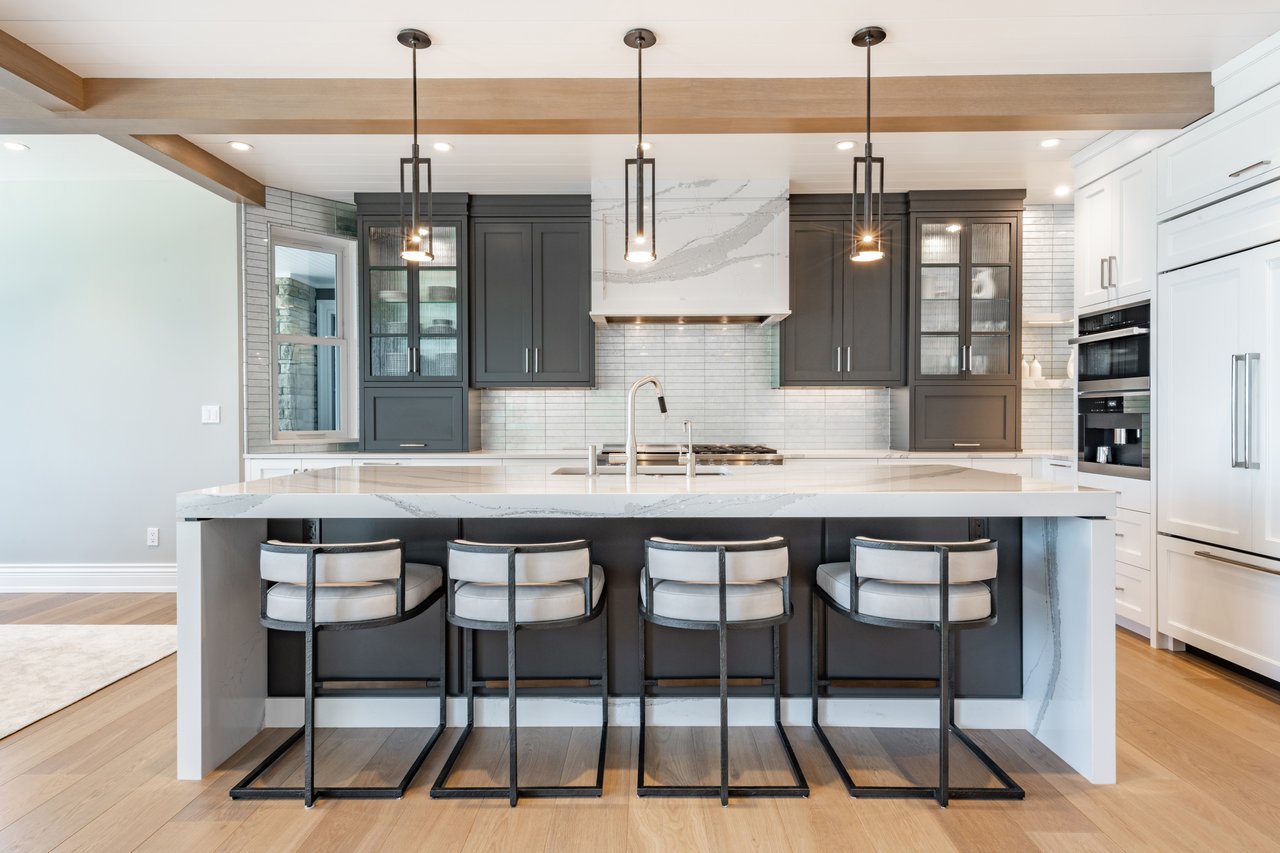
Kitchens in older homes were once small, closed-off workspaces. Luxury renovations in La Grange now place the kitchen at the heart of the house, incorporating chef-level appliances, oversized islands, walk-in pantries, and extensive custom cabinetry.
Natural stone counters, European-style fixtures, integrated refrigeration, or concealed storage help tie together the old and the new. In some transformations, homeowners retain original built-ins or beautifully restored windows to give the space warmth and heritage.
Natural stone counters, European-style fixtures, integrated refrigeration, or concealed storage help tie together the old and the new. In some transformations, homeowners retain original built-ins or beautifully restored windows to give the space warmth and heritage.
Modern Luxury Bathrooms in Historic Settings
Bathrooms in La Grange historic homes often began as simple, compact rooms. Today’s renovations elevate them into spa-inspired retreats with heated flooring, frameless glass showers, deep soaking tubs, and carefully selected stonework. Layered lighting, floating vanities, and high-performance plumbing enhance usability without disrupting the broader historical narrative.
Primary suites frequently include adjoining dressing rooms or customized closets, transforming older bedroom layouts into personalized spaces that meet the expectations of luxury buyers.
Primary suites frequently include adjoining dressing rooms or customized closets, transforming older bedroom layouts into personalized spaces that meet the expectations of luxury buyers.
Preserve Craftsmanship while Enhancing Style
One of the most rewarding aspects of renovating a historic property is the ability to restore original craftsmanship. Woodwork, built-ins, stained glass, and ornate fireplaces often remain the most admired features of these homes. Skilled carpenters and artisans can repair, replicate, or adapt these elements so they integrate seamlessly into updated interiors.
For example, original oak flooring might be refinished and extended into new rooms. Fireplaces may be preserved while receiving new marble surrounds. In some La Grange estates, front parlors maintain their historic charm while adjacent rooms receive a modern aesthetic, showcasing the successful coexistence of eras.
For example, original oak flooring might be refinished and extended into new rooms. Fireplaces may be preserved while receiving new marble surrounds. In some La Grange estates, front parlors maintain their historic charm while adjacent rooms receive a modern aesthetic, showcasing the successful coexistence of eras.
Integrate Advanced Technology Discreetly
Luxury estates require modern conveniences, but historic homes must incorporate them without compromising visual authenticity. Smart home systems that control lighting, climate, and security can be discreetly tucked behind period-appropriate trim. In-wall speakers, hidden wiring, and recessed lighting ensure the home operates like a modern residence while maintaining its traditional character.
High-efficiency HVAC systems (often zoned for multi-level properties) improve comfort without large visual intrusions. This discreet integration strengthens market appeal among buyers seeking sophisticated functionality within a classic envelope.
High-efficiency HVAC systems (often zoned for multi-level properties) improve comfort without large visual intrusions. This discreet integration strengthens market appeal among buyers seeking sophisticated functionality within a classic envelope.
Outdoor Enhancements That Respect History
Exterior redesigns also contribute to luxury transformations. Landscapes can be reshaped to echo the home’s historic style while supporting modern entertaining. Patios with natural stone, outdoor kitchens, fire features, and updated garages improve usability without overshadowing the home’s original architecture.
Some renovations include restoring original porches, converting carriage houses into guest suites, or adding gardens inspired by early 20th-century design. These enhancements complete the estate experience, connecting indoor elegance with outdoor relaxation.
Some renovations include restoring original porches, converting carriage houses into guest suites, or adding gardens inspired by early 20th-century design. These enhancements complete the estate experience, connecting indoor elegance with outdoor relaxation.
Why Modernizing Historic Homes Strengthens Long-Term Value
Renovated historic properties in La Grange offer strong appeal to buyers seeking unique architecture, high-quality construction, and the comforts of a new build. Thoughtfully completed projects often command competitive prices because they offer character that cannot be replicated today.
The combination of heritage aesthetics and high-end modernization supports both lifestyle enjoyment and long-term stability in the luxury market. As demand grows for homes that tell a story, strategic renovations help preserve the town’s identity while elevating its real estate landscape.
The combination of heritage aesthetics and high-end modernization supports both lifestyle enjoyment and long-term stability in the luxury market. As demand grows for homes that tell a story, strategic renovations help preserve the town’s identity while elevating its real estate landscape.
Begin Your Transformation with Expert Guidance
Renovating historic properties requires a skilled team that understands the importance of architectural integrity, the expectations of luxury, and local real estate trends. Owners seeking to enhance La Grange historic homes benefit from working with professionals who value both preservation and innovation.
For personalized insight into buying, renovating, or selling an architecturally significant home, The Vitell Group is ready to offer expert support. Their guidance ensures your project reflects the highest standards of craftsmanship while maximizing value in the La Grange market. Reach out today to begin your transformation journey.
For personalized insight into buying, renovating, or selling an architecturally significant home, The Vitell Group is ready to offer expert support. Their guidance ensures your project reflects the highest standards of craftsmanship while maximizing value in the La Grange market. Reach out today to begin your transformation journey.