If you are selling a home in Hinsdale, one truth matters right away: the launch matters almost as much as the house itself. In a market made up largely of owner-occupied, detached homes, buyers often compare condition, layout, and presentation very closely. If you want a smoother sale and a stronger pricing strategy, it helps to know what to fix, what to leave alone, and how to position your home from day one. Let’s dive in.
Why Hinsdale prep matters
Hinsdale is a market where housing stock is relatively consistent in broad form. The village’s 2025 affordable housing plan reports that 83% of homes are 1-unit detached properties, and Census QuickFacts shows an 89.9% owner-occupied housing-unit rate.
That matters because buyers are often not choosing between completely different housing types. They may be comparing one detached home against another, which makes details like upkeep, room flow, natural light, and move-in readiness more important.
Start with scope, not spending
Before you start booking painters or ordering new fixtures, take a step back. A smart pre-listing plan begins with deciding what is truly worth doing and what may create cost, delay, or disruption without adding enough value.
In Hinsdale, that first step is especially important because the Community Development Department oversees building permits, zoning, property maintenance, and code enforcement. If you are considering larger exterior work, demolition, or a new single-family home in one of Hinsdale’s two historic districts, you may also need a Certificate of Appropriateness and a more detailed review process.
Check permit and review issues early
If your home needs exterior work before listing, timing can matter. The village’s design review process may require surveys, drawings, neighboring-owner notices, and multiple review steps for certain projects in historic districts.
That does not mean you should avoid improvements. It means you should confirm whether planned work triggers village review before setting your market timeline.
What to fix before listing
Most sellers do best when they focus first on repairs that affect function, safety, and buyer confidence. These are the items that can make a showing feel smooth or create instant hesitation.
Start with obvious issues such as:
- Leaks or moisture concerns
- Broken hardware or doors that do not close properly
- Damaged flooring or worn carpet in key rooms
- Cracked or peeling paint
- Burned-out light bulbs or dated, dim lighting
- Visible maintenance issues that make the home feel neglected
When buyers are already comparing condition closely, deferred maintenance can pull down how they view the entire property. Even smaller items can make a home feel less cared for.
What you may be able to leave alone
Not every update needs to happen before you sell. If a project is highly personal, very expensive, or unlikely to change how buyers experience the home, it may be better to price around it rather than complete it.
This often applies to major remodels that would delay listing, especially if a buyer may prefer to make their own design choices. In many cases, clean condition, working systems, and a well-edited presentation do more for your sale than a rushed renovation.
Follow a smart prep sequence
Preparation tends to work best when it follows a clear order. A practical sequence keeps you from redoing work and helps the home look cohesive when it hits the market.
A strong seller-prep flow looks like this:
- Handle obvious repairs and safety items
- Declutter and depersonalize
- Make light cosmetic updates
- Stage the key rooms
- Photograph only when the home is fully ready
This order aligns with buyer behavior research showing that staging and photos have a meaningful impact. It also keeps your effort focused on the parts of the process buyers are most likely to notice.
Focus staging where buyers notice most
You do not need to stage every inch of the house to make a difference. The goal is to help buyers understand the home quickly and picture how they would live in it.
According to NAR’s 2025 Profile of Home Staging, 83% of buyers’ agents said staging made it easier for buyers to visualize the property as a future home. The most commonly staged rooms were the living room, primary bedroom, and dining room.
Prioritize these rooms first
If you are deciding where to spend time and money, start with the rooms buyers remember most:
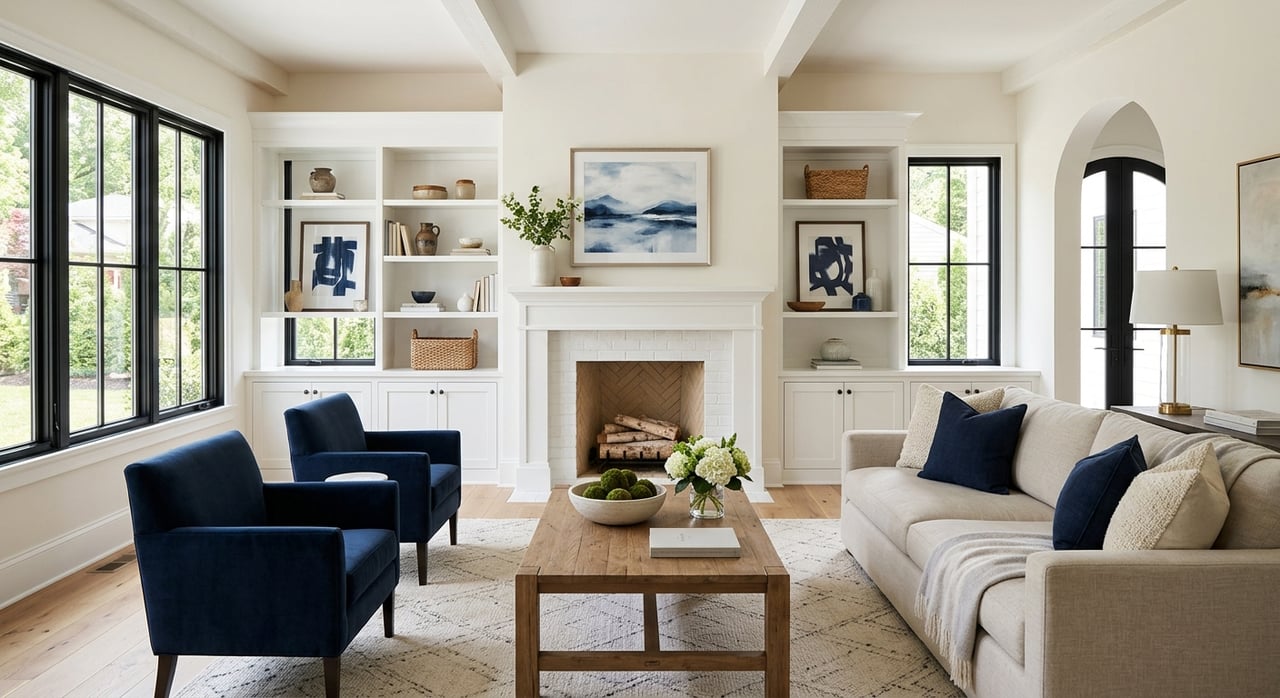
- Living room
- Primary bedroom
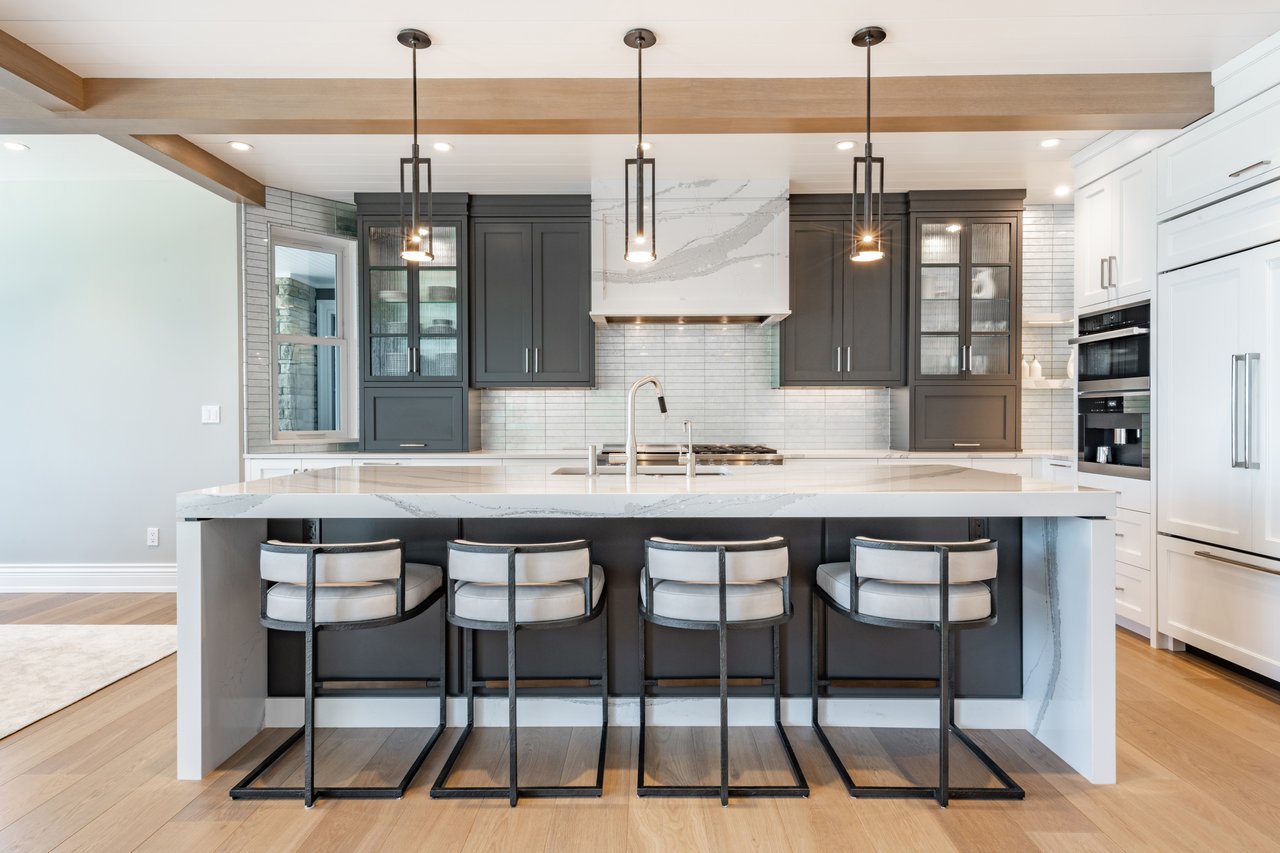
- Kitchen
- Dining area
These spaces help shape the emotional first impression of the home. In a place like Hinsdale, where many buyers may be comparing similar home types, a clean and coherent feel can help your listing stand out.
Keep the look neutral and edited
Highly personal decor can make it harder for buyers to focus on the space itself. Neutral styling, lighter furnishings, and less visual clutter usually make rooms feel larger, brighter, and easier to understand.
That does not mean your home should feel empty or cold. It means each room should have a clear purpose, balanced furniture, and enough open space for buyers to notice the layout.
Photos are part of pricing strategy
Many sellers think of photography as marketing, but in practice it also affects pricing power. Buyers often form their first impression online, and that first impression influences whether they see your price as justified.
NAR buyer research reports that nearly all buyers use technology in their search, and 81% rated listing photos as the most useful feature in their online home search. If your photos do not show light, scale, and condition well, buyers may discount the home before they ever visit.
Shoot only when the home is ready
Professional photos should come after repairs, cleaning, decluttering, and staging. If you photograph too early, you risk showcasing distractions that could have been fixed with a little more planning.
In other words, photos should capture your best market position, not your work in progress. That is one reason preparation and pricing should be built together, not handled separately.
Price by micro-location and condition
One of the biggest pricing mistakes in Hinsdale is assuming the village name alone sets value. It does not. Buyers react to product type, location within the village, lot characteristics, updates, and overall condition.
Recent local MLS data from MRED shows separate performance for detached and attached single-family homes, with different median sale prices and different market times. That is a strong sign that pricing needs to reflect the specific property category and the buyer pool for that type of home.
Why block-level comps matter
Recent market snapshots also suggest that broader Hinsdale and Downtown Hinsdale can show different sale-price and days-on-market patterns. The takeaway is simple: pricing should be based on the most relevant comparable sales, not broad averages.
For sellers, that means looking closely at:
- Block or micro-location
- Detached versus attached product type
- Renovation level
- Lot size and characteristics
- Functional layout
- Overall move-in readiness
A renovated home, a partially updated home, and a teardown candidate should not be priced the same way just because they share a Hinsdale address.
Match price to actual condition
Pricing discipline matters in every market, but especially in a premium suburb where buyer expectations are high. NAR’s 2025 seller research reinforces that sellers want an agent who can price competitively within a specific timeframe, not just suggest an aspirational number.
That usually means starting with recent comparable sales and then adjusting honestly for condition gaps. If your home is beautifully updated, that can support stronger pricing. If it needs work, the price should reflect what buyers will likely spend after closing.
Avoid the cost of overpricing
Overpricing can reduce early momentum, which is often the most valuable window of buyer attention. If the home lingers, buyers may begin to wonder what is wrong, even when the issue is simply that the price started too high.
A better strategy is to launch with clear preparation, strong visuals, and a price that the market can support. That gives you the best chance to attract serious interest while your listing still feels fresh.
Do not overlook seller disclosures
Preparation is not only about appearance. It also includes paperwork and legal timing.
In Illinois, sellers must complete the Residential Real Property Disclosure Report and deliver it before the contract is signed. If you learn that something in the report is inaccurate or if new material information comes up before closing, the report must be supplemented.
Older homes may need lead disclosure
For most housing built before 1978, federal lead-based paint disclosure rules also apply. If your home falls into that category, make sure that requirement is part of your prep timeline.
Getting disclosures organized early can help reduce delays once a buyer is ready to move forward.
Selling well means coordinating the whole launch
In Hinsdale, preparation and pricing are not separate decisions. They work together. The repairs you make, the staging you choose, the photos you capture, and the pricing band you set all shape how buyers respond.
That is why a design-aware, data-driven approach can make such a difference. When your launch is sequenced well, you can present the home clearly, avoid unnecessary delays, and price from a position of confidence rather than guesswork.
If you are thinking about selling in Hinsdale, the best next step is to build a plan around your home’s condition, location, and timing. To talk through a preparation and pricing strategy tailored to your property, schedule a consultation with Jeremy Vitell.
FAQs
What should you fix before listing a home in Hinsdale?
- Focus first on obvious repairs, safety items, maintenance issues, and anything that could reduce buyer confidence during showings.
How much staging does a Hinsdale home usually need?
- Many homes do not need full-house staging. Prioritizing the living room, primary bedroom, kitchen, and dining area is often enough to improve how buyers experience the property.
Which rooms matter most for listing photos in Hinsdale?
- The rooms buyers tend to notice most are the living room, primary bedroom, kitchen, and dining area, especially when they are bright, clean, and clearly laid out.
How do Hinsdale historic district rules affect pre-sale work?
- If your property is in one of Hinsdale’s historic districts, certain exterior projects, new single-family construction, or demolitions may require a Certificate of Appropriateness and a multi-step village review.
How should you price a renovated versus partially updated Hinsdale home?
- Use recent comparable sales and adjust for condition, product type, micro-location, lot characteristics, and move-in readiness rather than relying on broad village averages.
When do Illinois seller disclosures need to be completed?
- Illinois sellers must provide the Residential Real Property Disclosure Report before the contract is signed, and they must supplement it if material information changes before closing.