Buying a home is a thrilling milestone, and ensuring that your dream property is in excellent condition is a key part of the process. While it’s easy to become enamored with a home based on its aesthetics and location, the real details that matter often lie beneath the surface. A professional home inspection can provide those insights, highlighting aspects of the property that might otherwise go unnoticed. This step in the home-buying journey is essential, offering a thorough examination of the property’s structure and systems, thus helping you make an informed investment.
What Is a Home Inspection?
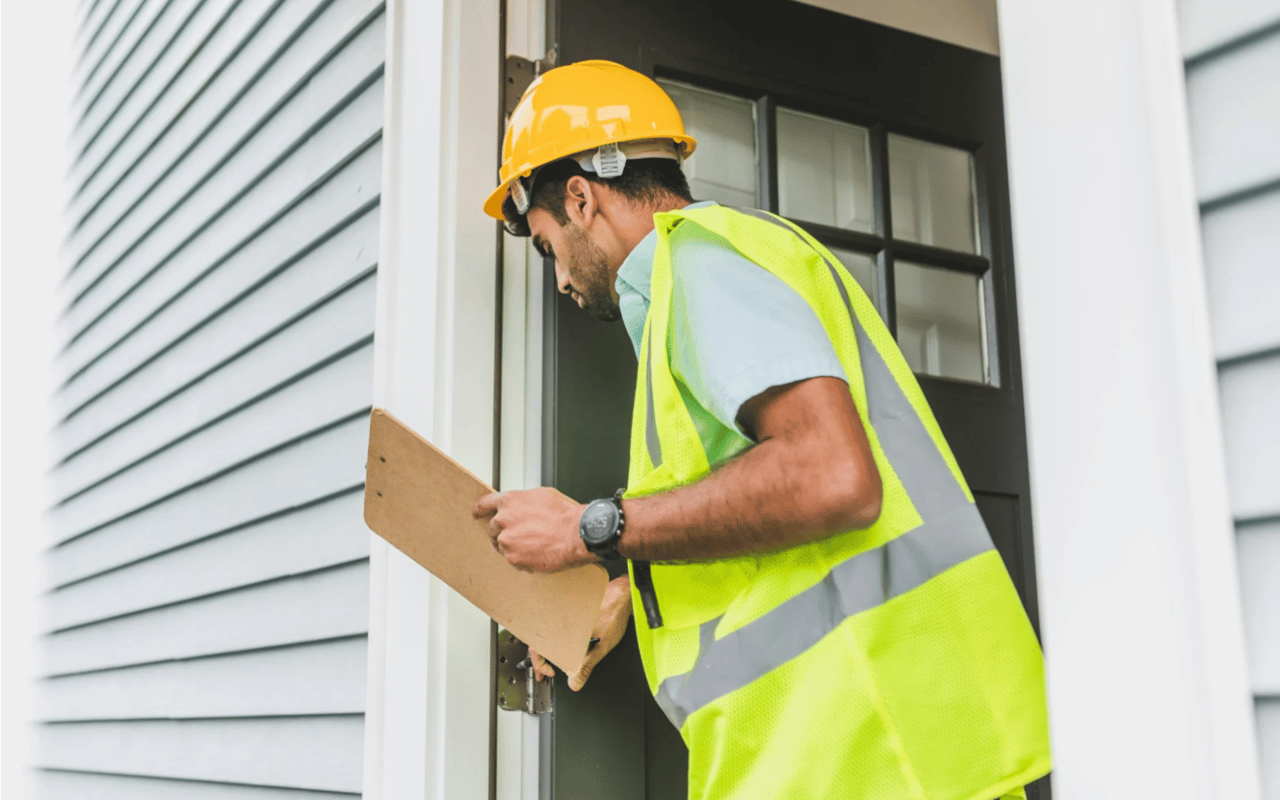
A home inspection is essentially a noninvasive visual examination of the physical structure and systems of a home. Conducted by a certified inspector, this evaluation covers everything from the roof to the foundation. It’s a critical step in the home-buying process because it can uncover potential issues that aren’t immediately visible, potentially impacting negotiations or the decision to proceed with the purchase. By providing a detailed assessment of the property's condition, a home inspection helps ensure that your investment is well-founded.
Home Inspection vs. Home Appraisal
Although they might seem similar at first glance, home inspections and home appraisals serve different purposes. A home inspection is concerned with the condition of the property, identifying necessary repairs or maintenance. In contrast, a home appraisal determines the market value of the home, which is vital for securing a mortgage. While both are important, they function independently in the home-buying process and offer unique insights into different aspects of the property.
Who Pays for the Home Inspection?
Typically, the responsibility for paying for the home inspection falls on the buyer. This is because the inspection serves the buyer's interests, providing valuable information about the property's condition. The cost of a home inspection can vary based on factors such as the size and location of the home, but this investment will offer peace of mind and potentially save money on unexpected repairs later on.
What Is a Home Inspection Contingency?
A home inspection contingency is a clause in a real estate contract that allows buyers to negotiate repairs, request a price reduction, or even withdraw from the sale if significant issues are found during the inspection. This contingency acts as a protective measure for buyers, ensuring that they are not obligated to purchase a home with major, undisclosed problems. It provides an opportunity to address concerns with the seller or reconsider the purchase if the findings are substantial.
Choosing the Right Home Inspector
Selecting a dependable home inspector is pivotal in ensuring a comprehensive and accurate evaluation. Look for inspectors who are certified and carry appropriate insurance. It's wise to avoid potential conflicts of interest, such as using an inspector recommended by the seller. When choosing an inspector, ask detailed questions about what the inspection will cover and whether a detailed report will be provided. Attending the inspection is encouraged, as it allows you to see firsthand what the inspector observes.
What to Look for During a Home Inspection
A thorough home inspection covers various aspects of the property. Here's a checklist of items to focus on:
Grounds and Exterior Structure
- Assess the condition of the foundation
- Check drainage and grading around the home
- Inspect the roof, gutters, and downspouts
- Examine exterior walls, windows, and doors
Basement
- Look for signs of water damage or leaks
- Inspect the foundation and structural components
- Check for the presence of mold or mildew
Attic
- Ensure proper ventilation
- Evaluate insulation condition
- Look for signs of roof leaks
Bathrooms
- Test plumbing fixtures and water pressure
- Inspect tiles, grout, and caulking
- Verify functionality of exhaust fans
Kitchen
- Check the condition of appliances
- Inspect plumbing under sinks
- Test ventilation and electrical outlets
Interior Rooms
- Assess walls, ceilings, and floors for damage
- Verify functionality of doors and windows
- Check for adequate insulation
Electrical Systems
- Inspect electrical panels and wiring
- Test outlets and switches
- Ensure proper grounding and GFCI outlets
Heating and Cooling Systems
- Evaluate the condition of the HVAC system
- Test thermostats
- Inspect ductwork and ventilation
Plumbing
- Test faucets, toilets, and drains
- Inspect the water heater and pipes
- Look for signs of leaks or water damage
The Home Inspection Report
Post-inspection, buyers receive a comprehensive report detailing all findings, both major and minor. This report helps distinguish between issues that require immediate attention and those that are less urgent. Comparing the home inspection report with the seller’s disclosure statement can reveal any disparities between the two documents. The report acts as a vital tool in the decision-making process, guiding buyers on whether to proceed with the purchase, negotiate necessary repairs, or reconsider their offer.
Make Your Home Purchase a Success
A thorough home inspection is a crucial step in making a smart home purchase. It helps you understand the property's condition and avoid unexpected surprises after moving in. By investing in a home inspection, you ensure peace of mind and protect your investment. For expert guidance and support in your home-buying journey, contact The Vitell Group. Reach out today to make your dream home a reality!