By Vitell Realty
La Grange is often described as one of the best suburbs on Chicago's western line — and that reputation is well-earned. But underneath the accolades and well-maintained streets, there's a lot of texture to this community that even longtime residents discover gradually. We've been helping buyers and sellers throughout La Grange for years, and we still encounter details about this village that genuinely surprise people. Here are some things about La Grange that are worth knowing.
Key Takeaways
- The origin story behind La Grange's name — and the man who gave it
- Why the downtown has stayed more intact than almost any comparable Chicago suburb
- A community tradition that has been running continuously since 1946
- What the architecture here reveals about the broader history of Chicago's growth
The Name Has a Story
Most people assume La Grange was named for a French city or a geographic reference of some kind, but the actual origin is more specific. The village was named in 1879 by its founder Franklin D. Cossitt, a Chicago businessman who had roots in La Grange, Tennessee. Cossitt purchased land along the Chicago, Burlington and Quincy Railroad line, platted the village, and chose to honor the southern city he'd come from. The village was incorporated that same year, and the name has never changed.
A Few Things That Made La Grange What It Is
- Franklin Cossitt donated land for public use during the village's founding, shaping its early identity as a community-oriented, planned place
- The railroad — now the Metra BNSF line — was the direct reason the village existed at all; the connection to Chicago made suburban life viable long before automobiles
- La Grange was laid out from the start with walkability in mind, placing commercial and residential uses in close proximity to the station
- The original street grid and lot sizes reflect late 19th-century planning that prioritized human scale over sprawl
A Downtown That Stayed Intact
Many Chicago suburbs have seen their downtowns hollowed out by strip development along arterial roads. La Grange's downtown — concentrated along La Grange Road between roughly 47th and 55th Streets — has remained a genuine pedestrian commercial district. Independent restaurants, boutiques, and local businesses still anchor the streetscape in a way that feels earned rather than manufactured.
What Keeps the Downtown Working
- The Metra BNSF station sits directly in the heart of the commercial district, sustaining daily foot traffic that most suburban downtowns have lost
- La Grange also has a second Metra stop on the Heritage Corridor line, giving residents two rail options into Chicago — a logistical advantage that is underappreciated even locally
- The village has been deliberate about protecting its commercial core through zoning and long-term development review
- Local business ownership remains high relative to comparable suburbs, which contributes to a distinctly non-generic retail environment
One of the Country's Oldest Pet Parades
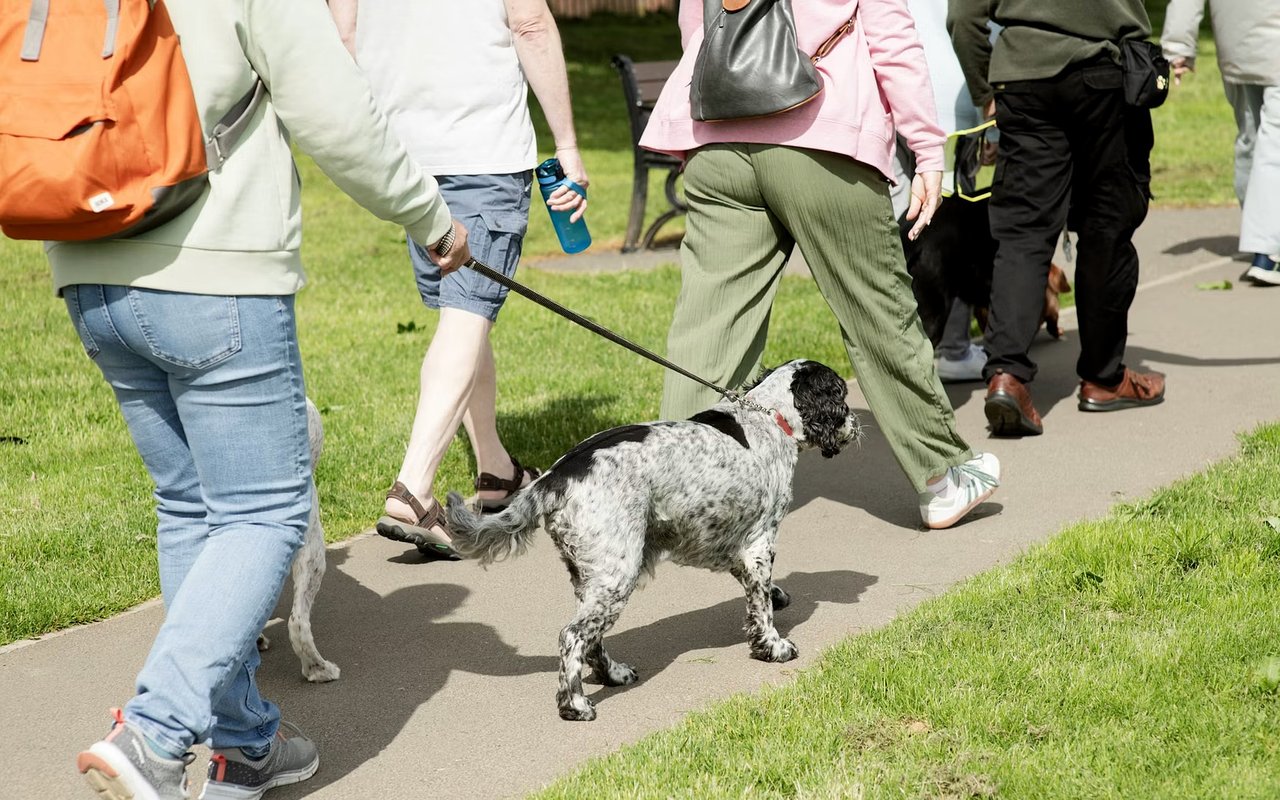
The La Grange Pet Parade has been held annually since 1946, making it one of the longest-running continuous pet parades in the United States. What started as a small community event has grown into a genuine institution — thousands of residents and visitors turn out each spring to watch children and adults parade through the village streets with their animals. It is exactly the kind of tradition that tells you something real about a community's character.
What the Pet Parade Reflects About La Grange
- Traditions like this don't survive for nearly 80 years without consistent community investment — residents here show up for one another
- The parade draws attendees from throughout the western suburbs, positioning La Grange as a regional destination rather than just a pass-through
- Events like this reinforce a shared identity that directly influences how long residents stay — and why so many come back
- For buyers evaluating communities, durable local traditions are one of the more reliable signals of long-term neighborhood health
Architecture That Tells a Bigger Story
Living in La Grange, Illinois means being surrounded by architecture that spans more than a century of American residential design. Victorian-era homes, Prairie-style influences consistent with the broader Oak Park tradition, mid-century bungalows, and more recent infill construction all coexist across the village's blocks. Several properties are listed on the National Register of Historic Places, and the original housing stock has been well-maintained by generations of owners who understood what they had.
What the Architecture Reveals
- The variety of styles reflects successive waves of Chicago's suburban expansion, each era bringing its own aesthetic and building conventions
- Prairie-style influence is visible throughout — Frank Lloyd Wright's impact on the western suburbs extended well beyond Oak Park into communities like La Grange
- Many homes retain original period details because the village consistently attracted buyers who valued preservation
- For buyers who care about character and craftsmanship, the housing inventory here offers something genuinely rare at this price point in the Chicago metro
Frequently Asked Questions
How far is La Grange from downtown Chicago?
La Grange sits approximately 15 miles west of downtown Chicago. The Metra BNSF line makes the commute practical — trains run frequently during peak hours, and the ride to Chicago Union Station typically takes around 30 to 35 minutes. For buyers who need regular access to the city, it's one of La Grange's most tangible advantages.
What types of homes are most common in La Grange?
The housing stock is genuinely varied — large Victorian and Prairie-style homes on tree-lined streets near the village center, craftsman bungalows throughout the residential neighborhoods, and newer construction on infill lots. Price points range accordingly, which gives buyers at different stages of their housing journey a real reason to look here.
Is La Grange a good place to put down long-term roots?
We think so, and the numbers reflect it — turnover in La Grange tends to be lower than in comparable suburbs, which tells you how residents feel about the community over time. The combination of strong commuter access, a genuine downtown, durable local traditions, and quality housing stock creates the kind of long-term satisfaction that is harder to find than most buyers expect.
Connect With Vitell Realty Today
La Grange is the kind of place that rewards buyers who choose it thoughtfully — and we've built our practice around helping people do exactly that. Whether you're relocating from outside the Chicago area or moving within the western suburbs, we know this market in depth. Reach out to us at Vitell Realty to start the conversation.
Here at Vitell Realty, we believe the right home is always in the right community — and La Grange is one we're proud to represent. Let's find yours.
Here at Vitell Realty, we believe the right home is always in the right community — and La Grange is one we're proud to represent. Let's find yours.