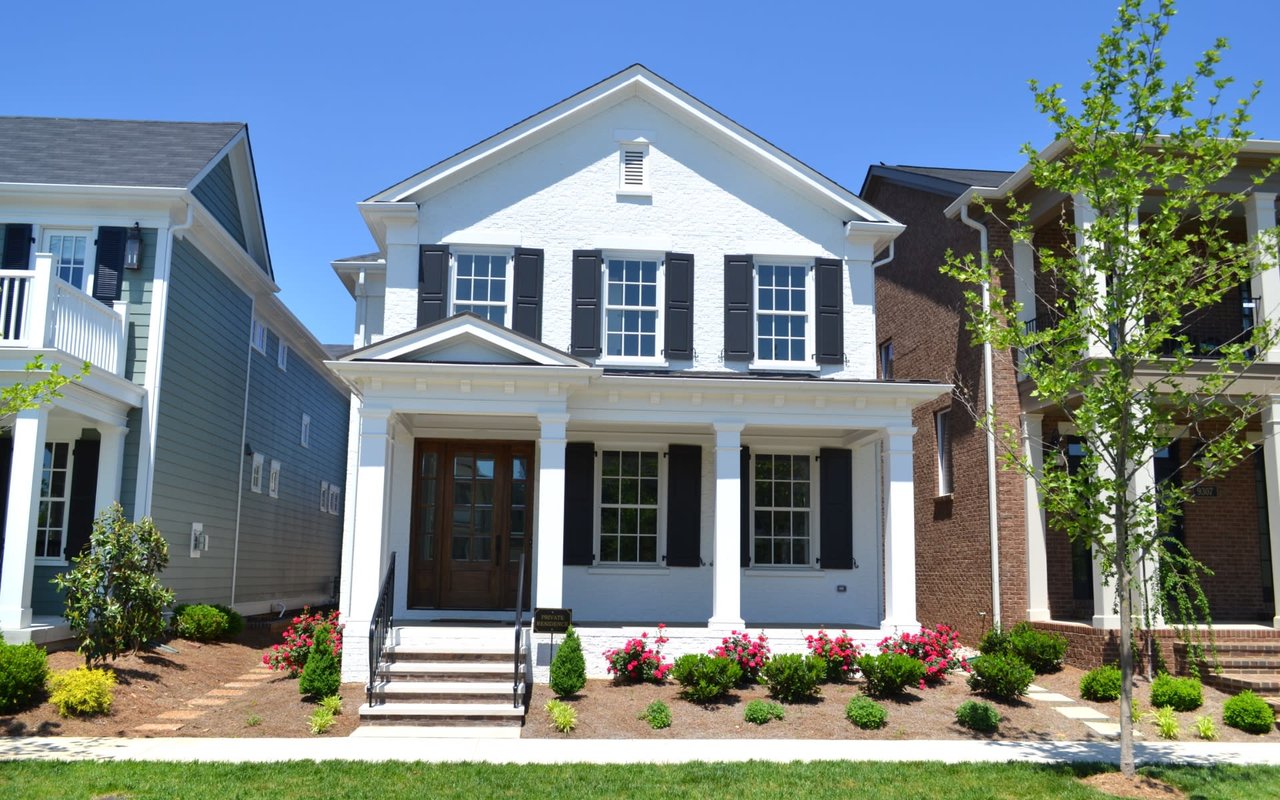
Welcome to
La Grange Park is a mature, tree-canopied suburban village located 15 miles west of downtown Chicago in Cook County. Celebrated for its peaceful residential feel, safety, and strong community roots, the village offers immediate access to outdoor recreation along the Salt Creek Trail and Forest Preserves of Cook County. Residents enjoy close proximity to neighboring La Grange's bustling downtown dining and shopping corridor along Burlington Avenue. The housing inventory in La Grange Park features classic 1950s Chicago brick bungalows, mid-century ranch homes, updated two-story colonials, and modern infill single-family builds. Prices range from $380,000 for starter ranch homes to over $950,000 for larger modern homes. High interest in homes for sale in La Grange Park is driven by its top-performing Lyons Township High School track, generous lot sizes, and convenient Metra train commuting into Chicago. Contact Jeremy Vitell today to view active La Grange Park properties or schedule a home consultation.
La Grange Park is a well-established western suburb of Chicago known for its residential charm, convenient location, and strong sense of community. Tucked between major commuter routes and neighboring village centers, the area offers a balance that appeals to buyers who want suburban comfort without feeling disconnected from the city.
The neighborhood is primarily residential, with quiet streets, mature trees, and a mix of classic and updated homes. Its layout and scale make it especially attractive to buyers looking for a long-term place to settle, whether they’re moving up, relocating, or downsizing within the western suburbs.
Homes in La Grange Park reflect decades of thoughtful development, with architectural styles ranging from brick ranches and mid-century builds to larger traditional two-story homes and newer custom construction. Many properties feature generous lot sizes, private yards, and attached garages—features that continue to draw consistent buyer interest.
Unlike areas dominated by a single housing type, La Grange Park offers variety. Buyers will find everything from modest single-family homes to expansive residences on interior streets, as well as select multi-unit and mixed-use properties near main corridors. This diversity supports a stable housing market and allows residents to stay within the community as their needs change.
One of La Grange Park’s strongest advantages is its location. The village sits close to major expressways, making commuting to downtown Chicago, nearby employment centers, and O’Hare International Airport straightforward. This accessibility is a major draw for professionals who want reliable travel options without living directly along high-traffic corridors.
In addition to driving routes, nearby Metra stations in surrounding communities provide commuter rail access, expanding transit flexibility for residents who prefer rail travel into the city.
While La Grange Park maintains a residential feel, daily conveniences are never far away. Grocery stores, fitness studios, coffee shops, and essential services are easily accessible within the village and neighboring downtown La Grange. Residents often take advantage of nearby retail corridors for errands while enjoying quieter residential streets at home.
Community parks, recreational spaces, and local programs contribute to an active lifestyle. Whether it’s a morning walk, youth sports, or seasonal events, La Grange Park offers opportunities to stay connected without the pace of a dense urban environment.
La Grange Park is known for its strong neighborhood identity. Residents value the village’s consistency, local involvement, and pride of ownership, which is reflected in well-maintained homes and public spaces. The community atmosphere appeals to buyers seeking stability, familiarity, and a place that feels established rather than transient.
Because of its location and housing mix, La Grange Park continues to attract a wide range of buyers—from first-time homeowners to experienced buyers looking for more space or a quieter setting close to Chicago.
Real estate in La Grange Park remains consistently desirable due to limited inventory, varied housing options, and strong buyer demand. Homes here tend to appeal to buyers prioritizing location, livability, and long-term value over short-term trends. Properties that are well-maintained and appropriately priced often receive strong interest.
Whether you’re searching for a classic family home, a move-in-ready property, or a residence with renovation potential, La Grange Park offers opportunities across multiple price points and styles.
La Grange Park attracts buyers looking for a well-located suburban community with long-term livability and strong housing appeal. These FAQs address common questions buyers ask when exploring homes in La Grange Park and the surrounding western suburbs.
1. What makes La Grange Park a desirable place to live?
La Grange Park is valued for its residential character, convenient access to Chicago, and established neighborhoods with a strong sense of community. Buyers are often drawn to its balance of quiet streets and nearby amenities.
2. What types of homes are common in La Grange Park?
Homes in La Grange Park include single-family residences, ranch homes, traditional two-story houses, and newer custom builds. Lot sizes are generally larger than in denser suburbs, offering more outdoor space.
3. Is La Grange Park a good location for commuters?
Yes. La Grange Park offers easy access to major expressways and nearby Metra stations in surrounding communities, making it convenient for commuting to downtown Chicago and other employment hubs.
4. How competitive is the La Grange Park real estate market?
The market tends to be steady and competitive, especially for well-maintained homes in desirable locations. Limited inventory and consistent buyer interest contribute to stable demand.
5. Do homes in La Grange Park hold long-term value?
La Grange Park is often considered a long-term ownership market due to its established housing stock, strong location, and ongoing buyer demand within the western suburbs.
6. What lifestyle appeals to buyers in La Grange Park?
Buyers who prioritize space, neighborhood feel, and convenience tend to gravitate toward La Grange Park. The area supports a quieter lifestyle while remaining close to shopping, dining, and recreation.
7. Are there newer or renovated homes available in La Grange Park?
Yes. While many homes reflect classic suburban architecture, buyers will also find renovated properties and newer construction, particularly through custom rebuilds and updated interiors.
8. Is La Grange Park suitable for buyers at different life stages?
La Grange Park appeals to a wide range of buyers, including first-time homeowners, growing households, and those looking to downsize while remaining in a familiar suburban setting.
9. How does La Grange Park compare to nearby suburbs?
Compared to neighboring areas, La Grange Park offers a more residential feel with fewer commercial corridors, while still providing easy access to nearby downtown districts and regional amenities.
10. What should buyers consider when searching for homes in La Grange Park?
Buyers should consider commute needs, lot size preferences, and home style, as properties can vary significantly by street and section of the village.
13,341 people live in La Grange Park, where the median age is 41.5 and the average individual income is $57,889. Data provided by the U.S. Census Bureau.
Total Population
Median Age
Population Density
Average individual Income
There's plenty to do around La Grange Park, including shopping, dining, nightlife, parks, and more. Data provided by Walk Score and Yelp.
Explore popular things to do in the area, including Community Park District of Lagrange Park, Team Shawn Boot Camp, and A M Facee.
| Name | Category | Distance | Reviews |
Ratings by
Yelp
|
|---|---|---|---|---|
| Active | 1.14 miles | 0 reviews | 0/5 stars | |
| Active | 1.14 miles | 2 reviews | 3/5 stars | |
| Beauty | 0.51 miles | 0 reviews | 0/5 stars | |
| Beauty | 0.68 miles | 0 reviews | 0/5 stars | |
| Beauty | 0.86 miles | 0 reviews | 0/5 stars | |
| Beauty | 0.92 miles | 0 reviews | 0/5 stars | |
|
|
||||
|
|
||||
|
|
||||
|
|
||||
|
|
||||
|
|
La Grange Park has 5,074 households, with an average household size of 2.56. Data provided by the U.S. Census Bureau. Here’s what the people living in La Grange Park do for work — and how long it takes them to get there. Data provided by the U.S. Census Bureau. 13,341 people call La Grange Park home. The population density is 3,436 and the largest age group is Data provided by the U.S. Census Bureau.
Total Population
Population Density Population Density This is the number of people per square mile in a neighborhood.
Median Age
Men vs Women
Population by Age Group
0-9 Years
10-17 Years
18-24 Years
25-64 Years
65-74 Years
75+ Years
Education Level
Total Households
Average Household Size
Average individual Income
Households with Children
With Children:
Without Children:
Blue vs White Collar Workers
Blue Collar:
White Collar:
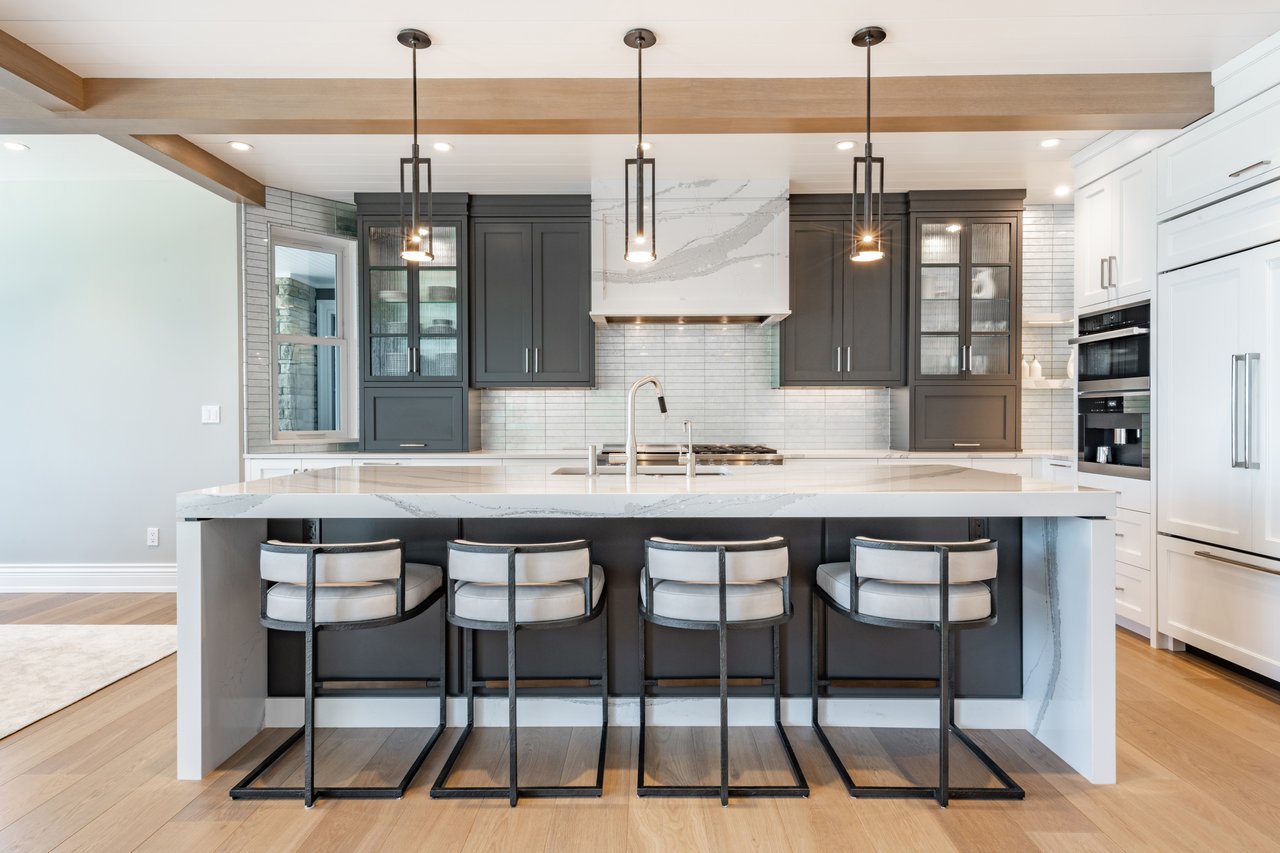
1143 Robinhood Ln La Grange Park, IL 60526
1143 Robinhood Ln La Grange Park, IL 60526